
main page — COMP 335 Communicating Computer Science
Unit 1: National Curriculum in Computing
This is an archived version of this module from the academic year 2021-22.
Click here for the current iteration.
This unit covers:
- the UK educational system
- the National Curriculum in Computing
- the Widening Participation agenda
Learning outcomes
- Be able to summarize learning outcomes from the National Curriculum in Computing at different key stages.
- Be able to explain the relevance of computer science as a discipline for every child.
- Be able to discuss strategies for improving inclusivity and diversity.
Pre-session task
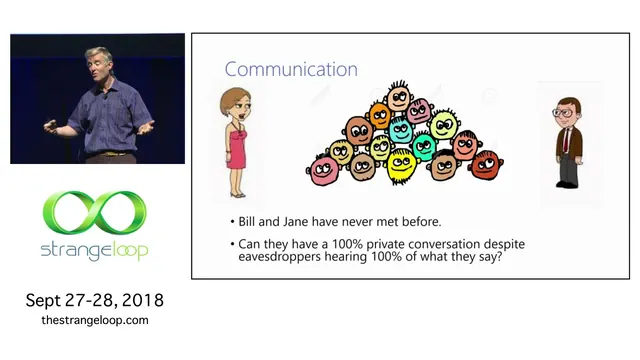
Watch the recap part (1:55 – 17:28) of the 2018 talk below by Simon Peyton Jones, one of the key architects of the National Curriculum in Computing, and answer the following guiding questions on Slido:
- What is Simon Peyton Jones’ (SPJ) definition of computer science?
CS is the study of … - What are the reasons (according to SPJ) for teaching CS to every child?
- What “myths” does SPJ discuss in (the part of) his talk?
- Name one example (from the video or not) that teaches a concept or idea as opposed to a skill or technique/technology.
Material
-
Video · transcript (2021-10-07, 42:44): English school system, Computing in NC, Computing topics in KS 3, Widening participation agenda
Chapters
0:49 Outline
1:44 Progression in State-Funded Schools
4:50 GCSES
10:25 GCSE subject choice
14:10 Pre-Session Task
18:50 Computing vs. Computer Science vs. ICT/IT vs. Coding vs...
26:10 The National Curriculum in Computing
31:45 Computing Topics in KS3
33:36 Further Resources for KS3
35:45 Widening Participation The university has a commitment to widening participation
36:47 Higher Education Participation rates
39:55 Implications for your lesson plan
Further resources
There are several resources listed on the slides; check those first. Here are some more for a wider context.
- Down-to-earth summary of UK School System by YouTubers Joel & Lia.
- Dom’s Map of Computer Science (video, pic) gives a nice graphic overview of the subfields of CS.
- Simon Peyton Jones’ TEDx talk about the NC in Computing from 2014; content is similar to the newer video above; maybe of historial interest mostly