
main page — COMP 335 Communicating Computer Science
Unit 4: Empirical Science & Statistics
This is an archived version of this module from the academic year 2021-22.
Click here for the current iteration.
This unit covers:
- basics of the scientific method
- statistical tools for educational research
Learning outcomes
- Be able to competently use the terminology of empirical science, such as theory, hypothesis, experiment, null hypothesis.
- Be able to understand, explain, and evaluate empirical science research in the domain of education research.
- Be able to qualitatively explain the purpose and use of statistical hypothesis tests.
Pre-session task
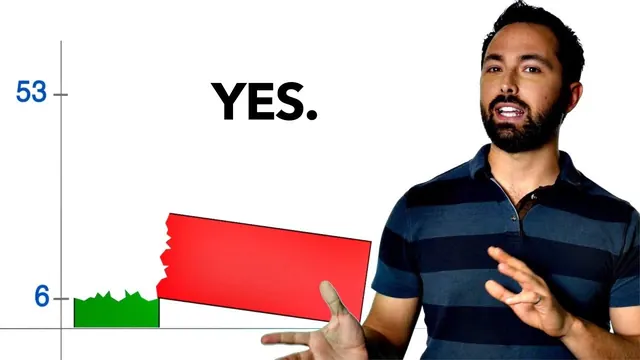
Watch the Veritasium video below on the Replication Crisis of Science and answer these guiding questions on on Slido.
Material
-
Video · transcript (2021-10-28, 43:18): The Scientific Method, hypothesis testing, pitfalls
Chapters
0:29 Vocabulary
4:18 Replication Crisis
8:08 Scientific Method
9:43 Design a Scientific Experiment
11:01 Falsifiable Hypotheses
12:11 The World Is Not Black and White
13:27 Expectancy Value Theory
16:31 Experimental Group
16:36 Control Group
17:32 Double Blind Study
19:10 Average Mark Difference
20:23 The Null Hypothesis
24:03 Statistical Tests
31:19 Average Variation
33:07 The Forbidden Experiment
Further resources
- Crash Course Statistics
accessible YouTube series giving some more details and lots of examples of how to use statistical methods